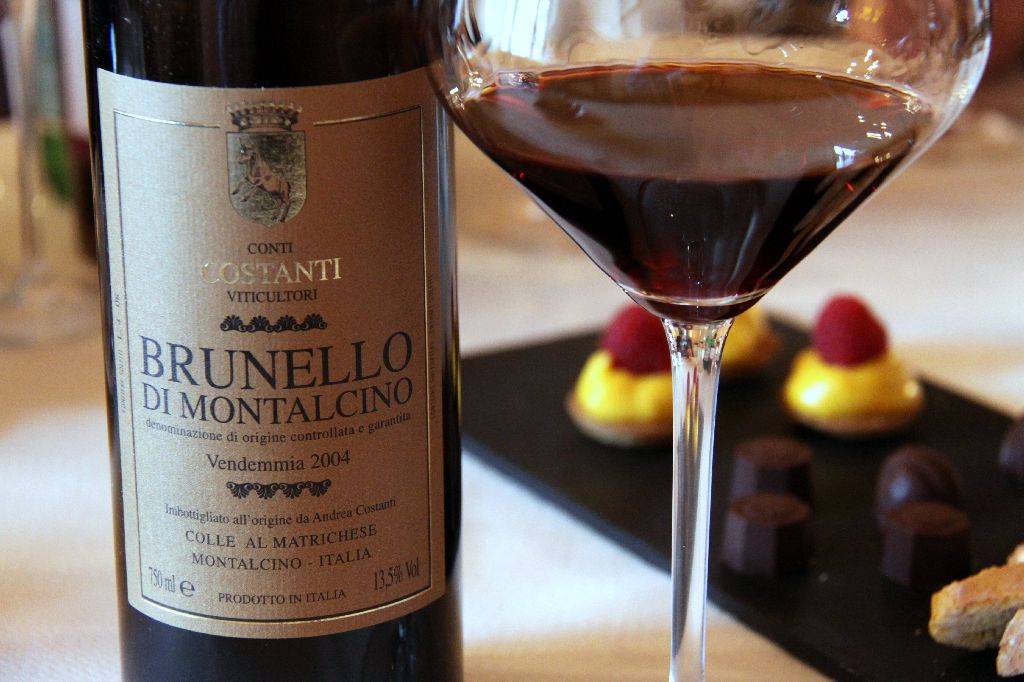
One of the treasures of Italy is wine. The history of Italian winemaking is two millennia old, magnificent wine attracts tourists here just as much as the art and architecture of a beautiful country full of attractions. It is obvious that vineyards and wineries are a whole cultural layer that will amaze you with its wealth of traditions and innovations. Picturesque hills are covered with grape vines and centuries-old traditions of winemaking.
Velvet wines warmed by the Italian sun demonstrate in every sip a noble character, an expressive bouquet and crazy shades of spices, dried flowers, tobacco, chocolate. The list of iconic grape varieties is impressive, the great love of winemakers and great wine masterpieces - you will find all this in wine tours in Italy.
Velvet wines warmed by the Italian sun demonstrate in every sip a noble character, an expressive bouquet and crazy shades of spices, dried flowers, tobacco, chocolate. The list of iconic grape varieties is impressive, the great love of winemakers and great wine masterpieces - you will find all this in wine tours in Italy.
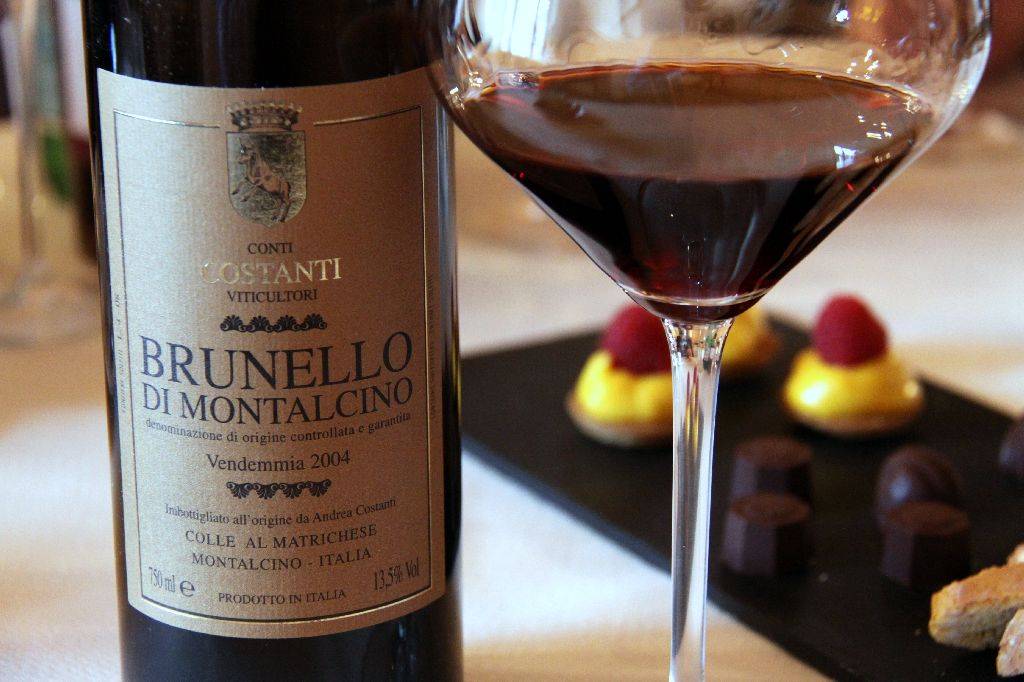
In the 1960s, a system of control over the authenticity of the origin of wines appeared in Italy. DOC - Denominazione di Origine Controllata. Why was it necessary?
It helped Italian wine to win its rightful place in the world market and build a reputation. All Italian wine is divided into four main categories - DOCG, DOC, IGT and VDT.
The highest category of Italian wines is DOCG: only permitted varieties and maturity of grapes, yield limit, production method, with a numbered government seal on the neck of the bottle. The state strictly controls a specific production zone with a unique, recognizable and "typical" taste profile of wine for a specific area.
For example, these are such great wines as:
— Chianti Classico DOCG,
— Barolo DOCG,
— Conegliano Valdobbiadene Prosecco DOCG.
The basic level of Italian wines is DOC. It covers almost all traditional Italian wines. There are now more than 300 DOCs in 20 regions of Italy. This is the familiar Prosecco, and the understandable Montepulciano Abruzzo, Primitivo di Manduria, Etna from Sicily, etc.
If you buy Italian wine with the DOC mark, it will be a drink produced in a specific territory (not as wine-rich as DOCG) and from certain grape varieties that grew within its borders, in compliance with all the rules, from pruning and vines to aging techniques.
The next level, IGT wines - they are classified only by region, not by grape variety. Well, that is, the winemaker has more freedom here, he is an artist, he makes wine as he sees it.
The most basic - VDT - Vina da Tavolta - literally translated "for every day". There are no questions about regions and varieties. Wine from Italy, that's all.
It helped Italian wine to win its rightful place in the world market and build a reputation. All Italian wine is divided into four main categories - DOCG, DOC, IGT and VDT.
The highest category of Italian wines is DOCG: only permitted varieties and maturity of grapes, yield limit, production method, with a numbered government seal on the neck of the bottle. The state strictly controls a specific production zone with a unique, recognizable and "typical" taste profile of wine for a specific area.
For example, these are such great wines as:
— Chianti Classico DOCG,
— Barolo DOCG,
— Conegliano Valdobbiadene Prosecco DOCG.
The basic level of Italian wines is DOC. It covers almost all traditional Italian wines. There are now more than 300 DOCs in 20 regions of Italy. This is the familiar Prosecco, and the understandable Montepulciano Abruzzo, Primitivo di Manduria, Etna from Sicily, etc.
If you buy Italian wine with the DOC mark, it will be a drink produced in a specific territory (not as wine-rich as DOCG) and from certain grape varieties that grew within its borders, in compliance with all the rules, from pruning and vines to aging techniques.
The next level, IGT wines - they are classified only by region, not by grape variety. Well, that is, the winemaker has more freedom here, he is an artist, he makes wine as he sees it.
The most basic - VDT - Vina da Tavolta - literally translated "for every day". There are no questions about regions and varieties. Wine from Italy, that's all.
Now it's clear with the categories. But, suddenly! In the store on the wine shelf you see an Italian label with the notes Classico, Riserva, Superiore?
Classico means wine from the ancient part of the zone where it was originally invented. For example, "Chianti Classico" from the Tuscany region, from the very first and smallest part of Chianti from the very blood of Jupiter.
Riserva means the wine was aged as long as possible.
Superiore is a stronger wine than usual. The year was hotter and drier and the grapes accumulated more sugar, and therefore more alcohol.
Now you can easily understand from the label which Italian wine to choose! And if you want to know more - come to our tasting and you will feel all the shades, learn many interesting facts and forever fall in love with elegant Italian wine.
Classico means wine from the ancient part of the zone where it was originally invented. For example, "Chianti Classico" from the Tuscany region, from the very first and smallest part of Chianti from the very blood of Jupiter.
Riserva means the wine was aged as long as possible.
Superiore is a stronger wine than usual. The year was hotter and drier and the grapes accumulated more sugar, and therefore more alcohol.
Now you can easily understand from the label which Italian wine to choose! And if you want to know more - come to our tasting and you will feel all the shades, learn many interesting facts and forever fall in love with elegant Italian wine.
